Dog Safety: Tips for Keeping Your Pup Secure

Overview
Ensure your dog's safety and well-being by dog-proofing your home, supervising outdoor activities, using safety restraints during travel, providing proper training, and maintaining their health with regular vet visits and a balanced diet. Stay aware of potential hazards and create a secure environment for your furry friend.
Contents
As devoted dog owners, our top priority is ensuring the safety and well-being of our furry friends. With the myriad of responsibilities that come with dog ownership, it's crucial to establish safety measures that protect your pup from potential hazards. Whether you are a new dog owner or have been caring for your pet for years, this guide will provide essential tips and strategies for keeping your dog secure in various environments.
Home Sweet Home: Creating a Safe Space
Your home should be a sanctuary for your pup—a place where they feel comfortable and secure. To achieve this, consider the following tips:
Dog-Proof Your Home: Just like you would baby-proof for a child, it’s essential to dog-proof your living space. This includes removing hazardous items such as cleaning supplies, electrical cords, and sharp objects from their reach.
Designate Safe Spaces: Create specific areas in your home that are off-limits to your dog. Use baby gates or closed doors to keep your pup away from potentially dangerous environments.
Identify Toxic Plants: Many common houseplants can be toxic to dogs. Research plants and replace any that may be harmful to your furry friend.
Consider Home Safety Products: Invest in dog safety items such as secure crates and pet gates to manage your pup's movements within the home effectively.
For more information on making your living space dog-friendly, check out this comprehensive guide on Creating A Safe And Comfortable Home For Your Dog.
The Great Outdoors: Keeping Your Dog Safe Outside
When it comes to outdoor adventures, safety remains paramount. Here are some effective strategies:
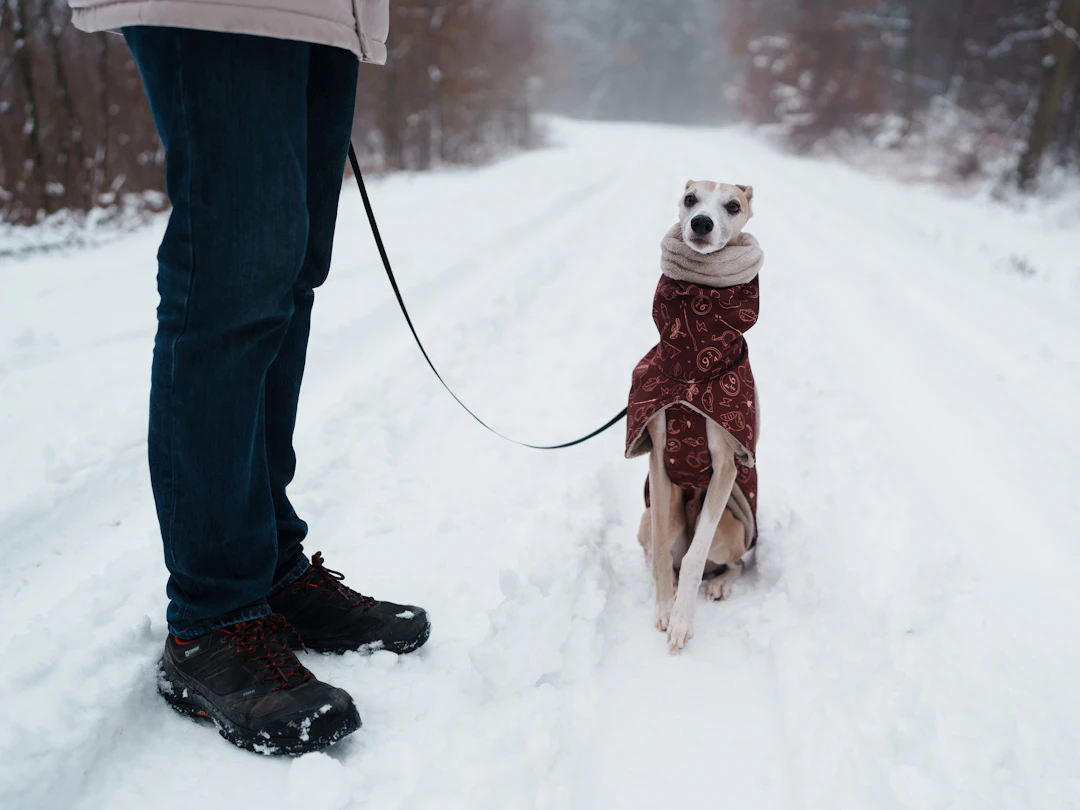
Always Leash Your Pup: A leash keeps your pup secure and prevents unexpected encounters with other animals or people. Choose a sturdy leash that can handle your dog's strength.
Utilize Proper Fencing: Ensure your backyard is fully fenced and that there are no gaps or holes where your dog could escape. A well-constructed fence prevents your dog from wandering off into danger.
Supervise Outdoor Time: Never leave your dog unsupervised while outside, even in a fenced area. Accidents can happen quickly, and being vigilant can keep your pup safe.
Stay Aware of Surroundings: Train yourself to recognize potential threats like aggressive animals or hazardous materials. Having this awareness can prevent dangerous situations.
Traveling Safely with Your Dog
Traveling can be a joyful experience for both you and your pup, but it requires careful planning to ensure safety. Here are some valuable tips:
Use Safety Restraints: Whether in a car or other travel modes, always use appropriate restraints for your dog. Pet seatbelts, carriers, or crates can help keep them secure during journeys.
Keep Them Comfortable: Make sure your pup is comfortable and has access to water during long trips. Consider taking regular breaks for bathroom visits and exercise.
Plan Ahead: Research pet-friendly accommodations and attractions to ensure a smooth journey. Having a plan can make your travels stress-free.
If you're planning a trip soon, check out our blog on Traveling With Your Dog: Tips For A Stress Free Journey to gather further insights on making the most of your adventures.
Training: The Key to a Secure Relationship
Training is an essential component of dog ownership. Proper training not only helps your pup behave well but also contributes significantly to their safety. Consider these training tips:
Socialization: Introduce your dog to new environments, people, and other pets gradually. This exposure is crucial for helping them remain calm and well-adjusted.
Basic Commands: Teach your dog basic commands such as “sit," “stay," “come," and “leave it.” These commands are invaluable in potentially dangerous situations.
Utilize Positive Reinforcement: Rewarding your dog for desired behaviors is an effective training strategy that promotes lasting results.
For new dog owners looking to get started, consider reading our guide on Puppy Training 101: Tips For New Dog Owners.
Health and Wellness: The Foundation of Security
Your dog’s health directly impacts their safety and well-being. Regular check-ups and proper nutrition are essential. Here are some health tips to consider:
Regular Vet Visits: Schedule routine check-ups with your veterinarian to stay on top of vaccinations and any potential health issues.
Balanced Diet: Feeding your dog a well-balanced diet supports their overall health and energy levels. Research what foods are suited to their breed and age to ensure they thrive.
Grooming: Regular grooming not only keeps your dog looking great but also allows you to check for skin issues, parasites, or other health problems. For helpful grooming tips, visit our article on Grooming Essentials: Keeping Your Dog Clean And Healthy.
Awareness of Potential Hazards
Awareness of potential hazards is crucial for dog safety. Here are some common dangers to watch out for:
Seasonal Risks: Be especially cautious of seasonal dangers such as heatstroke in summer or ice thawing in winter. Familiarize yourself with Winter Care Tips For Your Dog to keep your pet safe during colder months.
Toxic Foods: Many human foods can be toxic to dogs, including chocolate, grapes, and onions. Always research what foods are safe to share with your pet.
Hazardous Substances: Ensure that your dog doesn’t have access to household cleaners, chemicals, or medications, which can be fatal if ingested.
Enjoying a Safer Future
Keeping your pup safe requires diligence, love, and commitment. By following the tips outlined in this guide, you will create a secure environment for your furry friend, help them thrive during outdoor adventures, and ensure they are well-trained and healthy. Invest in your dog’s safety, and you’ll be rewarded with years of joy, companionship, and secure moments spent together. From creating a safe home to ensuring responsible travel, remember that your efforts pave the way for a happier and healthier life for your precious pup.
FAQs
What are some tips for creating a safe home for my dog?
To create a safe home for your dog, dog-proof your living space by removing hazardous items, designate safe areas with baby gates, identify toxic plants, and consider investing in safety products like crates and pet gates.
How can I keep my dog safe when outdoors?
To keep your dog safe outdoors, always use a leash, ensure your backyard is securely fenced, supervise your dog while outside, and stay aware of potential threats in the environment.
What should I consider when traveling with my dog?
When traveling with your dog, use safety restraints, ensure your pup is comfortable with water access, take regular breaks, and plan ahead for pet-friendly accommodations and attractions.
Why is training important for my dog's safety?
Training is crucial for a dog's safety as it helps them behave well, understand commands that can prevent dangerous situations, and enhances their ability to socialize and remain calm.
What health tips should I follow for my dog's well-being?
To support your dog's health, schedule regular vet visits, provide a balanced diet suitable for their breed and age, and maintain regular grooming to check for skin issues or parasites.
Comments