Essential Dog Training Tips for Beginners

Overview
Training your new dog is essential for a happy relationship. Key tips include being patient and consistent, using positive reinforcement, teaching basic commands like sit and stay, establishing a routine, and ensuring socialization. Leash training is crucial for safety, and professional help may be needed for behavioral issues. A well-trained dog is healthier and happier, enhancing your bond.
Contents
Welcoming a new dog into your home is an exciting journey filled with joy and companionship. However, it comes with its share of challenges, particularly when it comes to training. Proper training is essential not just for your dog’s behavior, but also for enhancing the bond between you and your furry friend. In this guide, we will cover essential dog training tips for beginners that can set you on the right path for a harmonious relationship with your pup.
Understanding the Basics of Dog Training
Before diving into tips and techniques, it’s important to understand the fundamentals of dog training. Training is about teaching your dog specific behaviors and commands, which helps reduce undesirable behaviors. Here are some key aspects to consider:
Patience: Dogs are individuals with unique personalities and learning paces. It’s essential to be patient during the training process.
Consistency: Use the same commands and signals every time you train. Consistency helps your dog learn effectively.
Positive Reinforcement: Rewarding your dog with treats, praise, or playtime when they display the desired behavior encourages them to repeat that behavior.
Short Sessions: Dogs have a limited attention span. Keep training sessions short but frequent to maintain their engagement.
Crucial Commands Every Dog Should Know
Training a dog is often about teaching them basic commands. Here are some essential commands that every dog should master:
Sit: This is a foundational command that can help manage your dog better in various situations.
Stay: Teaching your dog to stay is crucial for keeping them safe in potentially hazardous situations.
Come: A reliable recall command is essential for your dog’s safety, especially when they are off-leash.
Leave It: Teaching your dog to ignore certain items or distractions can prevent dangerous situations, such as picking up harmful objects.
Down: This command helps settle your dog and is particularly useful in social situations.
Establishing a Training Routine
Consistency means nothing without a structured routine. Establishing a regular training schedule helps both you and your dog stay on track. Here’s how to create an effective training routine:
Choose a Time: Select a time of day when your dog is alert and responsive, such as morning or after a walk.
Limit Distractions: Train in a quiet environment where there are minimal distractions. This allows your dog to focus solely on the training.
Practice Regularly: Aim for multiple short training sessions throughout the week rather than one long session.
Track Progress: Keep a journal to note your dog’s progress and areas that may need improvement.
Socialization: A Key Aspect of Training
Socialization is more than just a fun aspect of dog training; it’s fundamental for a well-adjusted canine. Here's why socialization is essential:
To socialize your dog:
Expose your puppy to different people, environments, and other animals gradually and safely.
Use controlled environments like puppy classes to encourage interaction with other dogs.
Monitor their behavior and reassure them to build confidence in various situations.
For more information on effective socialization techniques, check out this comprehensive guide on socializing your dog.
Positive Reinforcement Techniques
Positive reinforcement is one of the most effective training methods. Here’s how to implement it:
Timing: Reward your dog immediately after they perform the desired behavior to help them understand which action earned the treat.
Variety of Rewards: Mix up the types of rewards to keep your dog motivated. Use toys, treats, or verbal praise.
Gradual Fading: Once your dog becomes proficient in a command, begin to fade away the treats while still offering praise.
The Role of Leash Training
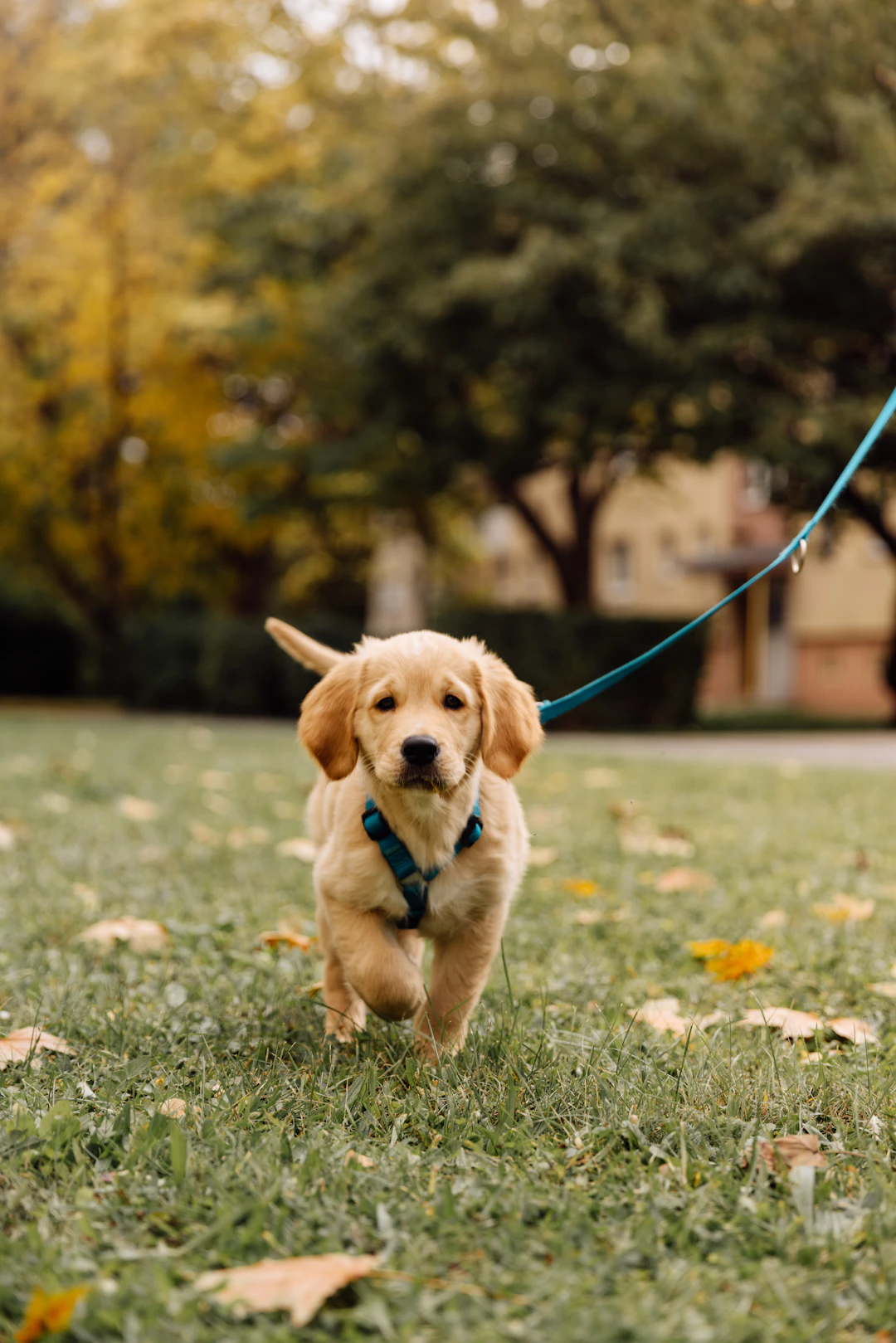
Leash training is another critical aspect most dog owners overlook. Teaching your dog to walk properly on a leash enhances your walks and ensures both your safety and theirs.
Start by using a properly fitted collar or harness.
Teach your dog to walk beside you rather than pulling ahead.
Use treats to encourage your dog to stay close while walking.
If they pull, stop walking until they return to your side.
Leash training not only benefits you but also helps your dog learn good manners when out and about.
When to Seek Professional Assistance
While many dog training techniques can be done at home, there are times when seeking professional help is advisable. Consider professional training if:
Your dog exhibits aggressive behavior.
They show fear or extreme anxiety in new situations.
You are struggling to manage basic commands despite consistent efforts.
Training classes provide structured environments for both dogs and owners to learn valuable skills together. For valuable insights on the advantages of dog training classes, check out this resource.
Health and Happiness: The Foundation of a Great Bond
A well-trained dog is generally a healthier and happier dog. Training provides mental stimulation that keeps your dog engaged and reduces destructive behaviors. Moreover, a well-behaved dog is a source of pride for any owner, heightening your bond with your furry companion.
Always remember that training isn't a one-time event; it’s a continuous process. Regular interaction, love, and training will ensure that your dog remains well-behaved throughout their life. For in-depth puppy training tips suitable for new dog owners, feel free to explore this helpful blog.
Unlock the Potential of Your Canine Companion
Embarking on the journey of training your dog is incredibly rewarding and can significantly improve your relationship. By applying the tips shared in this article, you’ll set a strong foundation for a well-mannered and loving pet. Embrace the challenges, enjoy the successes, and remember that training is just as much about the journey as it is about the destination!
FAQs
What are the basics of dog training that every beginner should know?
The basics of dog training include being patient, consistent, using positive reinforcement, and having short training sessions.
What are some essential commands every dog should learn?
Essential commands include Sit, Stay, Come, Leave It, and Down.
How can I establish an effective training routine for my dog?
Choose a time when your dog is alert, limit distractions, practice regularly with short sessions, and track progress in a journal.
Why is socialization important in dog training?
Socialization helps dogs become calmer and more adaptable in new situations by exposing them to different people, environments, and other animals.
When should I consider seeking professional help for dog training?
Consider professional help if your dog exhibits aggressive behavior, shows extreme anxiety, or if you are struggling to manage basic commands.
Comments