Grooming Your Dog: Tips for Every Breed

Overview
Regular grooming is essential for your dog's health and happiness, tailored to their unique breed and coat type. This guide offers grooming tips for small, medium, large, and hypoallergenic breeds, emphasizes the importance of proper tools, and suggests maintaining a consistent grooming schedule to enhance your dog's well-being.
Contents
Grooming your dog is more than just keeping them looking good; it's an essential part of maintaining their health and happiness. Different dog breeds have unique grooming needs that cater to their individual fur types, skin sensitivities, and overall health. In this guide, we'll explore handy grooming tips for every breed, ensuring your furry friend looks and feels their best.
The Importance of Regular Grooming
Regular grooming is crucial for the following reasons:
Health Monitoring: Grooming allows you to check for abnormalities such as lumps, skin irritations, or sores.
Skin Care: Brushing helps distribute natural oils, keeping your dog's coat healthy and shiny.
Mat Prevention: Regular brushing prevents the fur from matting, which can lead to skin issues.
Bonding Time: Grooming can strengthen the bond between you and your dog, creating a positive and nurturing environment.
Understanding Different Coat Types
Before diving into grooming techniques, it’s vital to understand the various coat types that exist among dog breeds.
Short Coat: Breeds like Beagles and Boxers usually require minimal grooming. A weekly brush is usually sufficient.
Medium Coat: Dogs such as Terriers and Cocker Spaniels need more frequent brushing to manage shedding.
Long Coat: Breeds like Golden Retrievers and Shih Tzus need regular grooming to avoid tangles and mats.
Curl or Wire Coat: Breeds such as Poodles and Wire Fox Terriers require specialized grooming to maintain their unique textures.
Key Grooming Tips for Different Breeds
Small Breeds
Small breeds like Chihuahuas or Dachshunds may seem low-maintenance, but they need special attention too. Here are some grooming essentials:
Brush Regularly: A soft-bristle brush or grooming mitt works well for their coat.
Bathing: Bathe them every month using mild dog shampoo to keep their skin healthy.
Nail Care: Trim their nails regularly to prevent overgrowth and splitting.
Medium Breeds
Medium breeds, like Bulldogs and Beagles, require more attention:
Brushing: Use a bristle brush or rubber grooming tool at least once a week.
Bath Frequency: Bathe them every six to eight weeks to avoid dryness.
Tear Stains: Regularly clean around the eyes to prevent tear stains.
Large Breeds
Large breeds such as Labradors or German Shepherds need more intensive grooming:
Frequent Brushing: Expect to brush them several times a week, especially during shedding seasons.
Bathing: These dogs should be bathed every few months or as needed, depending on their activity level.
Ear Care: Keep their ears clean and dry to prevent infections.
Hypoallergenic Breeds
Hypoallergenic breeds, such as Poodles or Maltese, require specialized grooming:
Regular Grooming: They need to be groomed every 4-6 weeks to prevent mats and tangles.
Brushing: Brush them several times a week to keep their fur looking neat.
Professional Help: Consider regular visits to a professional groomer for specialized cuts that maintain their coat’s health.
Grooming Tools You’ll Need
Having the right equipment is essential for making the grooming process smooth and effective. Here are some key grooming tools to consider:
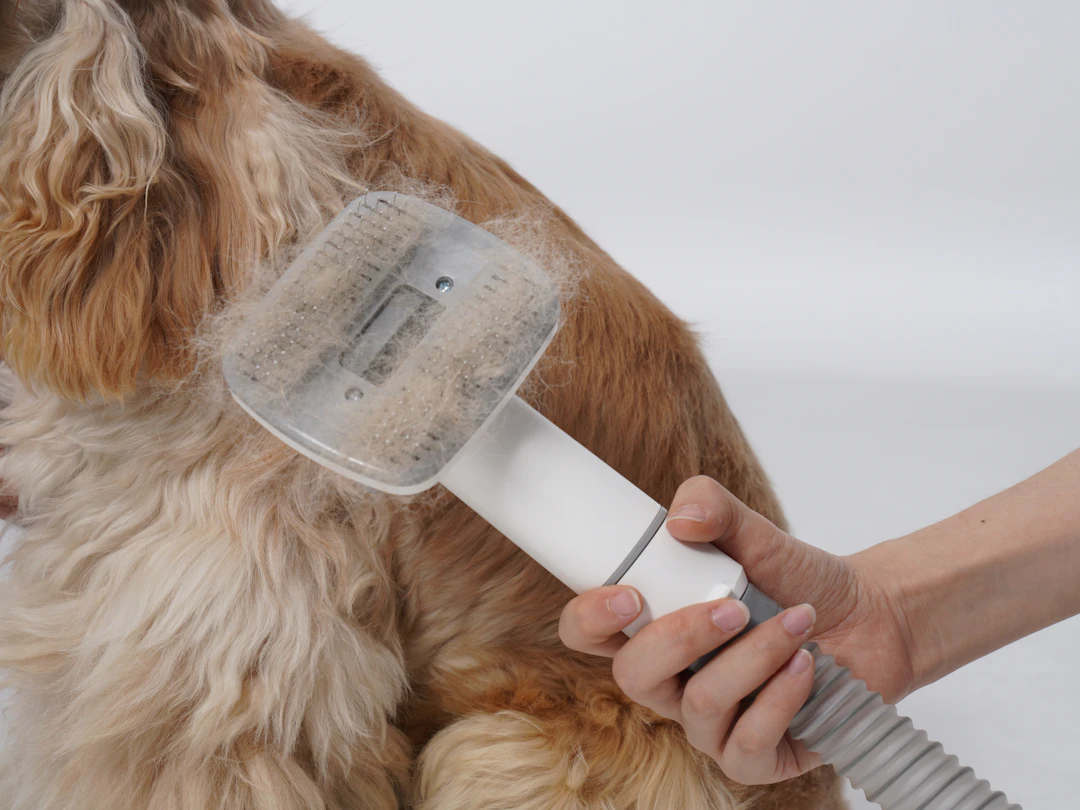
Brushes: Choose according to your dog's coat type (slicker brushes, bristle brushes, or combs).
Shampoo: Opt for a high-quality dog shampoo that suits your dog's skin type.
Nail Clippers: Invest in quality clippers or grinders to keep your dog's nails trimmed safely.
Grooming Tables: For larger dogs, a grooming table can make the process more manageable.
Scheduling Grooming Sessions
Establishing a regular grooming schedule is vital. Depending on your dog's breed and coat type, this can range from daily brushing to monthly baths. Keep track of their grooming needs with a calendar or app to ensure they're getting the care they need.
A Healthy Coat Equals a Happy Dog
Ultimately, a well-groomed dog is healthier and happier. Regular grooming not only improves your dog's appearance but also enhances their overall well-being. Remember to adjust your grooming routine according to your dog's unique needs and breed characteristics. Additionally, to provide your pup with the best lifestyle, ensure you're pairing good grooming habits with other essential care practices. For more information on keeping your furry friend clean and healthy, check out more grooming essentials. With patience and love, grooming can be a delightful and bonding experience for you and your furry friend. Let's make grooming your dog an enjoyable ritual for both you and your pup, creating lasting memories along the way!
FAQs
Why is regular grooming important for my dog?
Regular grooming is crucial for health monitoring, skin care, mat prevention, and strengthening the bond between you and your dog.
How often should I groom small dog breeds?
Small breeds like Chihuahuas or Dachshunds should be brushed regularly, bathed every month, and have their nails trimmed regularly.
What grooming needs do medium dog breeds have?
Medium breeds, such as Bulldogs and Beagles, require brushing once a week, bathing every six to eight weeks, and regular cleaning around their eyes to prevent tear stains.
How should I care for large dog breeds?
Large breeds like Labradors or German Shepherds need frequent brushing several times a week, bathing every few months, and ear care to prevent infections.
What tools do I need for grooming my dog?
Essential grooming tools include brushes suited to your dog's coat type, high-quality dog shampoo, nail clippers, and possibly a grooming table for larger dogs.
Comments