Mastering Dog Socialization: A How-To Guide for Pet Owners

Overview
Socializing your dog is crucial for their development and happiness. Key steps include starting early, gradual exposure to new experiences, using positive reinforcement, and monitoring interactions. Regular socialization helps reduce anxiety and improves behavior. Be attentive to your dog's body language and stress signals, and consider professional training if needed. Maintaining socialization practices throughout their life will ensure a well-adjusted companion.
Contents
Socializing your dog is an essential part of ensuring that they grow into a well-adjusted and happy pet. To socialize effectively, you need to understand the different elements involved in the process and how to implement them successfully. In this guide, we will explore the best practices for socializing your dog effectively, ensuring they interact positively with people, other dogs, and various environments.
Understanding Dog Socialization
Socialization is the process by which your dog learns to interact appropriately with different people, animals, and environments. This process generally occurs during a dog's early development, specifically between the ages of three weeks and three months. However, it's never too late to socialize a dog, even if they are older. Proper socialization can lead to a well-rounded pet that enjoys their experience in various settings.
The Benefits of Socializing Your Dog
Reduces Anxiety: Well-socialized dogs are less likely to experience anxiety in new situations.
Improves Behavior: Dogs that have been properly socialized are generally better behaved and more obedient.
Enhances Training: A socialized dog will find training sessions more engaging and productive.
Increases Enjoyment: A well-socialized dog can enjoy life more with fewer fears or aggressive behaviors.
Steps for Effective Dog Socialization
1. Start Early
The earlier you begin the socialization process, the better. Puppies are typically most receptive to new experiences between three and fourteen weeks. During this window, you should expose them to various environments, people, and situations. Ensure that all experiences are positive to prevent fear from developing.
2. Gradual Exposure
Introduce your dog to new experiences gradually. Start with low-stress environments and gradually move to more stimulating situations. This strategy helps build your dog’s confidence and lessens the risk of overwhelming them, which can lead to behavioral issues.
3. Positive Reinforcement
Use treats, toys, or praise to reward your dog when they react positively to a situation. This approach helps your dog associate new experiences with positive outcomes. For instance, if your dog interacts positively with another pet, give them a treat and praise their good behavior.
4. Socialize with Different People and Dogs
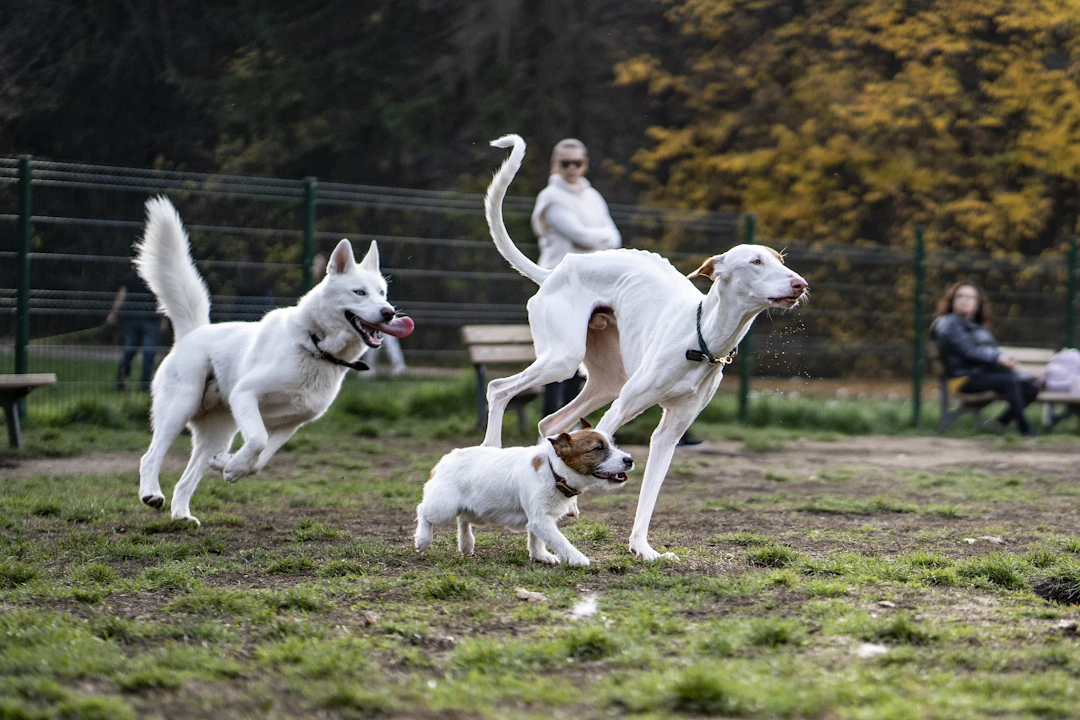
Expose your dog to a variety of people and dog breeds. This exposure helps your dog learn how to interact with different temperaments. Organize playdates with other dogs and take your pet to parks where they can meet people and other animals.
5. Visit New Environments
Take your dog on trips to different locations, such as pet-friendly stores, parks, and even outdoor events. Each new setting will present different stimuli for your dog to experience. Make sure to reward your dog for calm behavior in these scenarios.
6. Monitor Interactions
Always watch your dog's interactions closely, particularly with other dogs. If you notice signs of stress, such as growling, barking, or hiding, create space and allow your dog to move away from the situation. If necessary, consult a professional trainer.
7. Understand Dog Body Language
Being able to read your dog’s body language is crucial. Look for cues that indicate stress or discomfort, such as tucked tails, flattened ears, or excessive yawning. Learning to interpret these signs can prevent you from putting your dog in distressing situations.
For additional insights into dog behavior, check out Dog Behavior Insights.
8. Enroll in Training Classes
Sometimes the best way to socialize your dog is to enroll in a training class. These classes provide a safe and controlled environment for dogs to learn and socialize. They also help reinforce good behavior through the guidance of a professional trainer.
Spotting the Signs of Stress
While socializing is essential, it is equally important to recognize when your dog is feeling stressed. Some common symptoms include:
Excessive panting
Avoidance behavior, such as hiding or running away
Excessive barking or growling
Body language that shows fear or discomfort (e.g., cowering, tail tucked)
If your dog exhibits signs of stress, it is essential to take a step back. Prioritize your dog's comfort and reduce the intensity of social interactions. You can read more about recognizing stress in dogs in the article Signs Your Dog Might Be Stressed And How To Help.
Maintaining Socialization Practices
Once your dog has become familiar with social interactions, it’s important to maintain those skills. Regularly take your dog out for walks in busy areas, visit dog parks, and participate in events that allow socialization with other pets and people. Consistency in these practices will help ensure that your dog remains a sociable companion throughout their life.
Fun Activities to Bond with Your Dog
While socialization is critical, spending quality time with your dog is also fundamental. Engaging in fun activities can strengthen the bond between you and your furry friend. Consider trying:
Interactive games like fetch or hide and seek
Agility training that stimulates both their mind and body
Exploring nature trails together
Setting up play dates with other dogs to help socialize and play
For unique bonding experiences, check out Building A Bond With Your Dog Fun Activities To Try.
Tailoring Socialization to Your Dog's Needs
Every dog is unique, and their socialization needs can differ. For instance, shy or fearful dogs might require a more gradual introduction to social situations. Additionally, some breeds may be more naturally sociable than others. Understanding your dog's personality is crucial, and you may need to modify your approach based on their reactions.
Consider consulting with a professional trainer if your dog has special needs or if you are struggling with effective socialization. They can provide tailored advice and techniques to suit your dog’s individual temperament and experiences.
Creating a Safe and Comfortable Environment
In addition to social exposure, ensuring a safe and comfortable home environment is crucial for your dog's overall well-being. Consider aspects such as:
Providing a cozy space in your home where your dog can retreat when feeling overwhelmed.
Including engaging toys and chews in your dog's living space.
Establishing a routine that gives your dog a sense of security.
For tips on how to create a dog-friendly setting at home, read our guide on Creating A Safe And Comfortable Home For Your Dog.
Engage in Outdoor Adventures
Another excellent way to socialize your dog while also providing them with essential exercise is to engage in outdoor adventures. Explore dog-friendly trails and parks, or plan pet-friendly outings where your dog can encounter new smells and people. This not only builds their confidence but ensures they remain physically healthy. You can find more about outdoor exploration in our article on Dog Friendly Outdoor Adventures Exploring Nature Together.
The Journey Continues
Socializing your dog is a lifelong journey that requires patience, consistency, and care. By understanding effective strategies and keeping your dog’s comfort at the forefront, you can help them thrive as happy, well-adjusted pets. Enjoy this journey with your furry companion, knowing that every new experience is an opportunity for growth and happiness, both for you and your dog!
FAQs
What is dog socialization and why is it important?
Dog socialization is the process by which your dog learns to interact appropriately with different people, animals, and environments. It's essential for ensuring that your dog grows into a well-adjusted and happy pet.
When is the best time to start socializing a puppy?
The best time to start socializing a puppy is between three and fourteen weeks of age, as they are most receptive to new experiences during this window.
What are the benefits of socializing my dog?
Socializing your dog can reduce anxiety, improve behavior and obedience, enhance training, and increase enjoyment in life with fewer fears or aggressive behaviors.
How can I tell if my dog is stressed during socialization?
Signs of stress in dogs include excessive panting, avoidance behavior like hiding, excessive barking or growling, and body language that shows fear or discomfort, such as cowering or a tucked tail.
What activities can help bond with my dog while socializing?
Engaging in interactive games like fetch or hide and seek, agility training, exploring nature trails, and setting up playdates with other dogs are great activities to bond with your dog while socializing.

Comments