Understanding the Exercise Needs of Different Dog Breeds
Overview
Understanding and catering to your dog's exercise needs is vital for their physical and mental health. Different breeds have varying energy levels and requirements: high-energy breeds need 1-2 hours of vigorous activity, moderate-energy breeds require 30-60 minutes of casual play, and low-energy breeds need 20-40 minutes of leisurely exercise. Additionally, age and weather conditions affect these needs, so adapt routines accordingly. A mix of activities can keep dogs engaged while strengthening the bond between you and your furry friend.
Contents
When it comes to dog ownership, understanding the specific exercise needs of different breeds is crucial for maintaining not just their physical health, but also their mental well-being. Each breed has its unique characteristics, energy levels, and exercise requirements. In this blog, we'll delve into how exercise needs vary among breeds and offer recommendations for catering to these needs effectively.
The Importance of Exercise for Dogs
Exercise is not just about keeping your dog physically fit; it's also an essential component of their mental health. Regular physical activity helps to:
Prevent obesity
Reduce behavioral problems
Enhance bonding between dog and owner
Improve overall well-being
Understanding how different breeds respond to exercise and what they require daily can guide you in providing a fulfilling life for your furry friend. Let’s break down various breeds and their specific exercise needs.
High-Energy Breeds
Some dog breeds are naturally high-energy and require significant amounts of exercise to stay healthy and happy. Breeds like the Border Collie, Australian Shepherd, and Jack Russell Terrier are known for their endless energy. Their exercise needs include:
Daily Walks: Minimum of 1-2 hours of moderate to vigorous exercise.
Interactive Play: Activities like fetch or agility courses.
Socialization: Playdates with other dogs to expend energy.
These breeds thrive when they can engage their minds as well as their bodies, so incorporating training sessions can be beneficial. Learn more about puppy training tips to effectively channel their energy.
Moderate-Energy Breeds
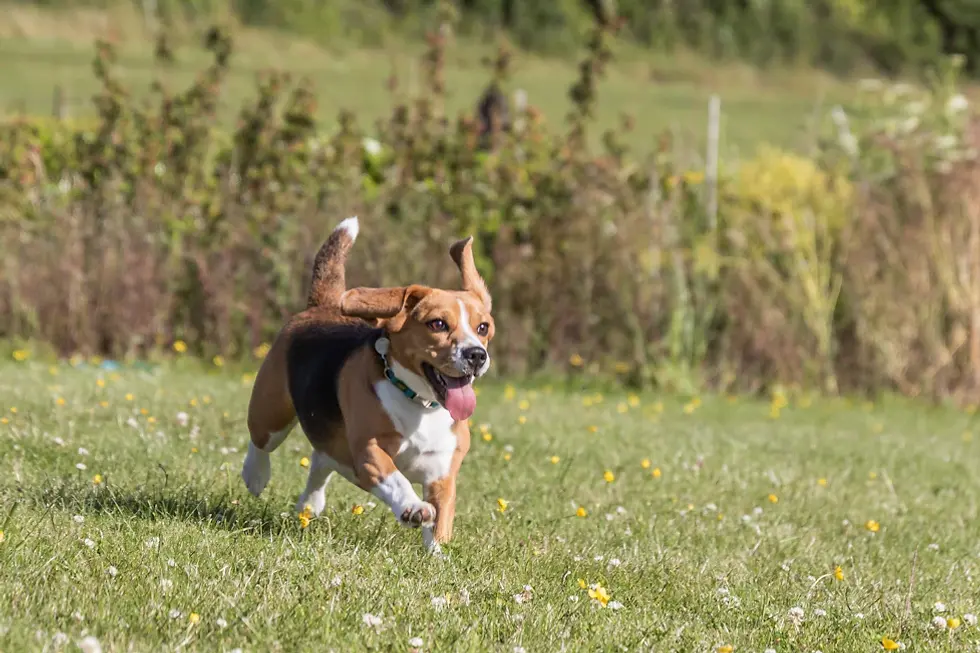
Moderate-energy breeds, such as the Bulldog, Beagle, and Shih Tzu, are a bit more relaxed but still require regular exercise. Striking a balance is key, and here are some general exercise guidelines:
Shorter Walks: About 30 to 60 minutes daily depending on the individual dog.
Casual Play: Engaging in fun games without intense exertion.
Outdoor Time: Supervising time in the yard or park helps satisfy their curiosity.
Exercise for these breeds should be stress-free and enjoyable. If you’re interested in enhancing your dog's health overall, check out the dog health tips on our blog.
Low-Energy Breeds
Breeds like the Basset Hound, Chow Chow, and English Bulldog often have lower exercise needs. While they still need regular activity, it is less intense and often includes:
Leisurely Walks: 20 to 40 minutes each day is usually sufficient.
Short Play Sessions: Low-key games that don’t require a lot of running around.
Quality Over Quantity: Focus on ensuring that their exercise is fun and engaging.
It's important to monitor their weight and adjust exercise if necessary, as these breeds can be prone to overweight issues. Understanding your dog’s behavior can provide insights into their exercise needs; for more information, read about dog behavior.
Age Considerations
Age plays a significant role in how much exercise a dog requires. Puppies are bundles of energy, but their bodies are still developing, which means excessive exercise can cause strain. Older dogs often exhibit lower energy levels, but they still benefit from regular movement to maintain mobility. Here are some adjustments to make based on the dog's age:
Puppies: Short bursts of play followed by periods of rest, gradually increasing the duration as they grow.
Adult Dogs: A consistent routine of moderate exercise, adapting it based on their specific breed needs.
Senior Dogs: Low-impact activities, such as gentle walks or swimming, can keep them active without overdoing it.
The exercise needs of a dog evolve, so it's essential to stay observant and adapt to their lifestyle changes over time.
Weather and Environmental Considerations
Another crucial factor that influences exercise needs is the environment. Weather conditions can dictate the type and duration of exercise suitable for your dog. Consider the following:
Hot Weather: Reduce exercise intensity and ensure access to plenty of water. Early morning or late evening walks are ideal.
Cold Weather: Shorten walks and check paws for frostbite, especially in small breeds.
Indoor vs. Outdoor: In extreme conditions, consider indoor activities like interactive toys or games to keep your dog stimulated.
Regardless of weather, maintaining a regular exercise routine can help support your dog's physical health and emotional needs.
Mixing It Up: Variety in Exercises
Dogs thrive on variety just like we do! A mix of different types of exercises can keep your dog engaged and physical activities fresh. Consider incorporating:
Agility Training: Sets up fun challenges that stimulate both the mind and body.
Fetch: Great for breeds that love to run and chase.
Swimming: A great low-impact workout for dogs, especially in warmer weather.
Trekking or Hiking: An adventure that helps in socialization and allows them to explore new environments.
Keeping your dog's routine varied can help combat boredom and ensure that they get enough exercise across various domains.
The Extraordinary Bond of Exercise
Exercise is not just beneficial for your dog; it also enhances the bond between you and your furry friend. Participating together in activities fosters a deeper connection. Ensuring that you understand your dog’s breed-specific exercise needs helps you to enjoy a healthier and happier life together.
For more information on becoming an exceptional dog owner, check out the incredible benefits of dog ownership. Understanding your pup’s exercise needs sets the stage for a fulfilling bond that lasts a lifetime!
Remember, every dog is unique, and what matters most is finding the right balance that keeps your furry companion healthy and happy. Happy exercising!
FAQs
Why is exercise important for dogs?
Exercise is crucial for dogs as it helps prevent obesity, reduce behavioral problems, enhance bonding between dog and owner, and improve overall well-being.
What are the exercise needs for high-energy dog breeds?
High-energy breeds, like Border Collies and Australian Shepherds, typically require 1-2 hours of moderate to vigorous exercise daily, including daily walks, interactive play, and socialization.
How much exercise do moderate-energy breeds need?
Moderate-energy breeds, such as Bulldogs and Beagles, generally require about 30 to 60 minutes of daily exercise, consisting of shorter walks and casual play.
What should I consider for low-energy dog breeds?
Low-energy breeds, like Basset Hounds and Chow Chows, usually need 20 to 40 minutes of leisurely walks each day and short play sessions that focus on fun rather than intense activity.
How does a dog's age affect its exercise needs?
Puppies require short bursts of playful activity with rest periods, adult dogs need a consistent moderate exercise routine, while senior dogs benefit from low-impact activities like gentle walks.
Comments