Understanding Canine Behavior: What Your Dog is Trying to Tell You

Overview
Understanding your dog's behavior enhances your bond with them. Key communication methods include vocalizations, body language, and facial expressions. Recognizing signs like barking, tail wagging, and growling helps interpret their emotions. Address behavioral issues with consistency and positive reinforcement, and create a safe home environment. Engaging in activities together strengthens your relationship. Observing your dog's unique needs fosters a deeper connection and promotes their well-being.
Contents
If you’re a dog owner, you may often wonder what your furry friend is trying to communicate during their day-to-day interactions. Understanding canine behavior is not just about training; it’s also about forming a deep emotional bond with your pet. By analyzing their actions, barks, and movements, you can decipher their needs and emotions. In this guide, we explore some key aspects of canine behavior and how to interpret them effectively.
The Basics of Canine Communication
Dogs communicate through a combination of vocalizations, body language, and facial expressions. Unlike humans, they often rely on their instincts and non-verbal cues. Here are some essential components to help you understand what your dog is trying to convey:
Vocalizations: Barking, whining, growling, and howling each convey different feelings or needs.
Body Language: Tail positions, ear movements, and posture can indicate your dog’s mood.
Facial Expressions: A relaxed face suggests calmness, while a tense face may indicate fear or aggression.
Common Canine Behaviors Explained
1. Barking
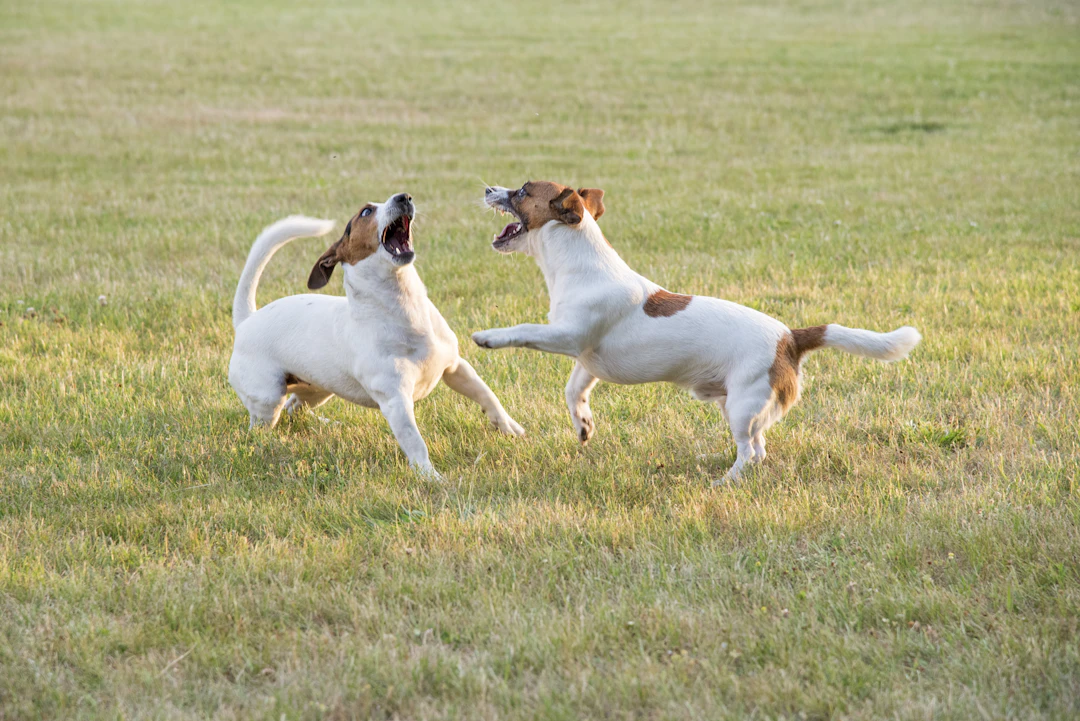
Barking is a dog's primary means of vocal communication. While it can signify joy or excitement, excessive barking might indicate boredom or anxiety. Pay attention to the context—does your dog bark when strangers approach, or does it bark for attention?
2. Tail Wagging
A wagging tail usually signifies excitement or happiness. However, not all tail wags are positive. A low wagging tail might indicate submission while a high, stiff wag could signal aggression. Observing the tail’s position and speed can offer insight into your dog’s feelings.
3. Growling
Many people misunderstand growling as a sign of aggression. However, it can also signify discomfort or fear. Growling is your dog’s way of expressing unease and should be addressed appropriately. Never punish your dog for growling, as it can escalate into more negative behaviors.
The Role of Body Language
Reading your dog’s body language can provide insights into their emotional state. Here’s what to look for:
Ears: Forward-facing ears often mean excitement, while ears pulled back against the head can indicate submission or fear.
Posture: A relaxed stance means your dog is comfortable. Conversely, a rigid or crouched posture could indicate fear or aggression.
Eye Contact: Soft, relaxed eyes mean comfort. Staring can be viewed as a challenge, whereas avoiding eye contact might indicate fear.
Understanding Specific Behaviors
1. Digging
Digging can stem from natural instincts, boredom, or anxiety. Dogs often dig to create a comfortable space or as an outlet for pent-up energy. If your dog digs excessively, it’s essential to find engaging activities to channel their energy appropriately. Consider interactive toys or even taking your pup for more frequent walks.
2. Chewing
Chewing is a natural behavior, especially among puppies. However, if your dog is chewing on inappropriate objects, it can indicate stress or boredom. Providing suitable chew toys can redirect this instinct into a positive activity.
3. Hyperactivity
A hyperactive dog may appear out of control, but this often signifies excitement, pent-up energy, or anxiety. Regular exercise and engaging activities are crucial for ensuring your pup’s needs are met. Understanding the exercise demands for your breed can help maintain a balanced lifestyle, promoting both physical and mental well-being. For more about tailored exercise needs, visit Understanding the Exercise Needs of Different Dog Breeds.
Resolving Behavioral Issues
Behavioral issues can arise for various reasons, including lack of training, anxiety, or health issues. Here’s how to address these challenges:
Consistency: Maintain consistent training and commands, so your dog understands expected behaviors.
Positive Reinforcement: Rewarding good behavior with treats or praise encourages your dog to repeat those actions.
Seek Professional Help: If behavioral issues persist or worsen, consider consulting with a professional dog trainer or veterinarian.
Understanding Anxiety in Dogs
Many dogs experience anxiety, resulting from factors such as separation, loud noises, or changes in routine. Common signs include whining, pacing, or excessive barking. Understanding anxiety in dogs is crucial for addressing these issues effectively. You can learn more about recognizing and managing anxiety in your dog at Understanding Anxiety In Dogs: Signs, Solutions, And Prevention Tips.
The Emotional Depth of Dogs
It’s essential to remember that dogs feel emotions similarly to humans. They can experience love, happiness, fear, and anxiety. Understanding the emotional states of your dog can help strengthen the bond you share. Dogs show affection in unique ways; lowering their head, leaning against you, and wagging their tails are among them. Understanding dog emotions adds a deeper layer to your connection and enhances your ability to respond to their needs effectively. Discover more about dog emotions at Understanding Dog Emotions: Love, Fear, And Anxiety.
Creating a Safe Home Environment
Establishing a secure and comfortable space for your dog is crucial for promoting mental well-being. Ensuring your home is free of potential hazards and anxiety triggers is vital. Consider implementing the following strategies:
Safe Spaces: Create a designated area where your dog can retreat when feeling overwhelmed, such as a cozy bed in a quiet corner.
Routine: Familiarity breeds security. Keeping a routine for feeding, walks, and playtime can help your dog feel grounded.
Desensitization: Gradually exposing your dog to their fear triggers can be an effective method for reducing anxiety.
Building a Strong Bond
Strengthening your bond with your dog requires time, patience, and understanding. Engaging in fun activities together can enhance your relationship significantly. Here are a few ideas:
Training Sessions: Regular training enhances communication and builds trust.
Playtime: Engaging in games like fetch or tug-of-war fosters a positive connection.
Joint Adventures: Take your furry friend on hikes or to the park to explore new environments together.
Incorporating activities that both you and your dog enjoy can create lasting memories and reinforce your bond. For fun bonding activities, check out our dedicated article on Building A Bond With Your Dog: Fun Activities To Try.
The Takeaway: Tune in to Your Dog’s Voice
Understanding canine behavior opens the door to a stronger, more empathetic relationship with your dog. By tuning into their needs and emotions, you create an environment where they can thrive. Remember, every dog is unique; patience and observation are your most powerful tools. As you continue this journey with your furry friend, you’ll find that their silent language reveals as much as words ever could. As you develop your skills in reading canine behavior, enjoy the journey and cherish the bond you create. It’s more than just training; it’s about understanding, connecting, and growing together.
FAQs
How do I interpret my dog's barking?
Barking can signify various emotions such as joy, excitement, boredom, or anxiety. Pay attention to the context to understand what your dog is trying to communicate.
What does my dog's tail wagging mean?
A wagging tail usually indicates excitement or happiness, but the position and speed of the wag can also suggest submission or aggression.
Why does my dog dig?
Digging can be a natural instinct, a response to boredom, or anxiety. Providing engaging activities and toys can help channel this behavior positively.
What signs indicate my dog is anxious?
Common signs of anxiety in dogs include whining, pacing, excessive barking, and avoidance of eye contact. It's important to recognize these signs to address their anxiety effectively.
How can I strengthen my bond with my dog?
Strengthening your bond involves engaging in fun activities together, such as training sessions, playtime, and joint adventures like hikes or visits to the park.
Comments